

new canaan library
Designing Community as Infrastructure
A civic campaign that transformed donor outreach into a durable ecosystem of participation.
When New Canaan Library entered a pivotal phase of its capital campaign, momentum had begun to plateau. Donors had seen repeated exterior renderings, and questions were emerging: What had changed? What had their investment accomplished?
Rather than reiterate architectural imagery, I reframed the campaign around a different question:
How do we make civic progress tangible?
The solution became a connected communication system—designed to rebuild belief through transparency, local activation, and shared ownership.

Making Progress Visible
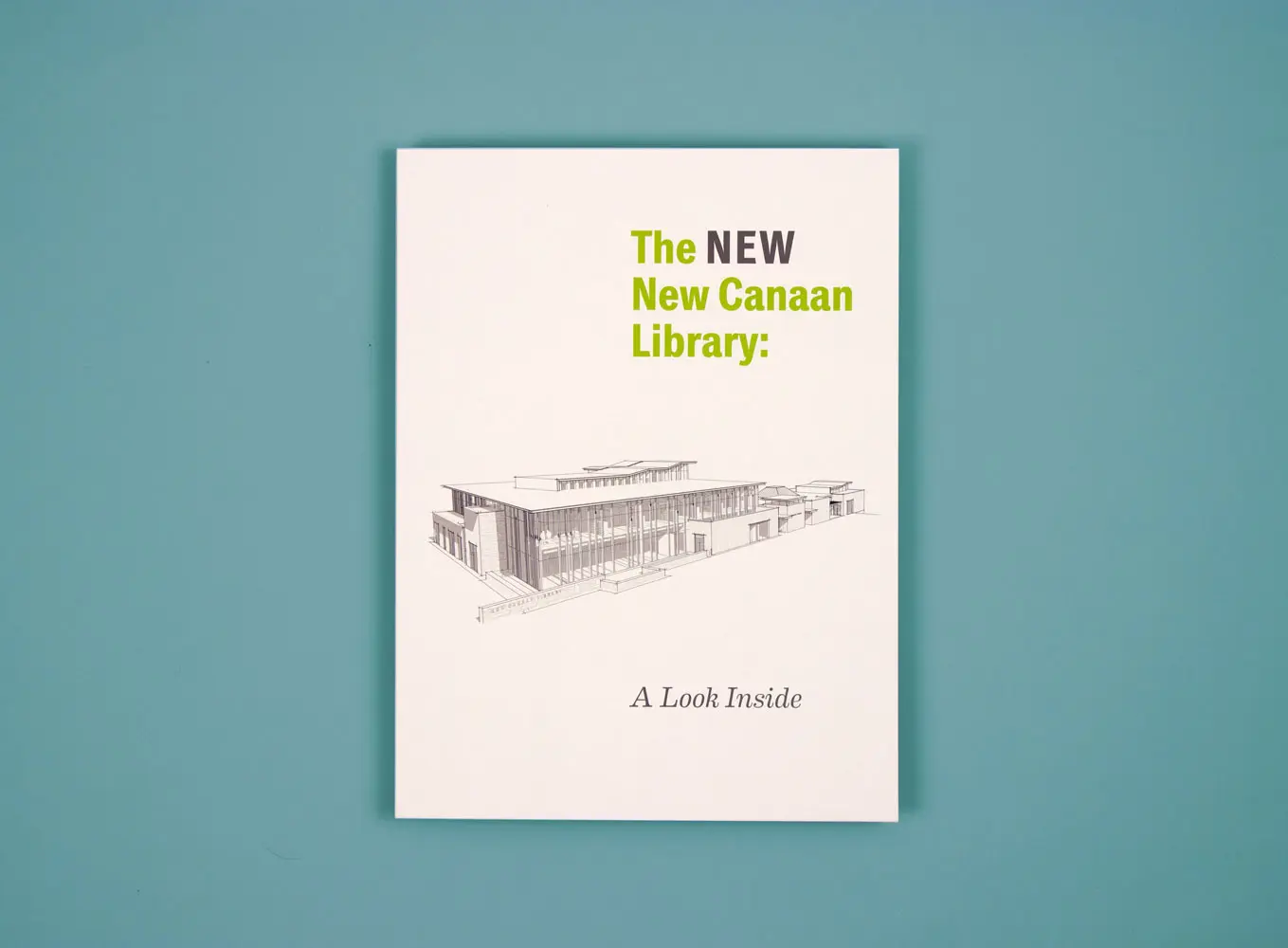
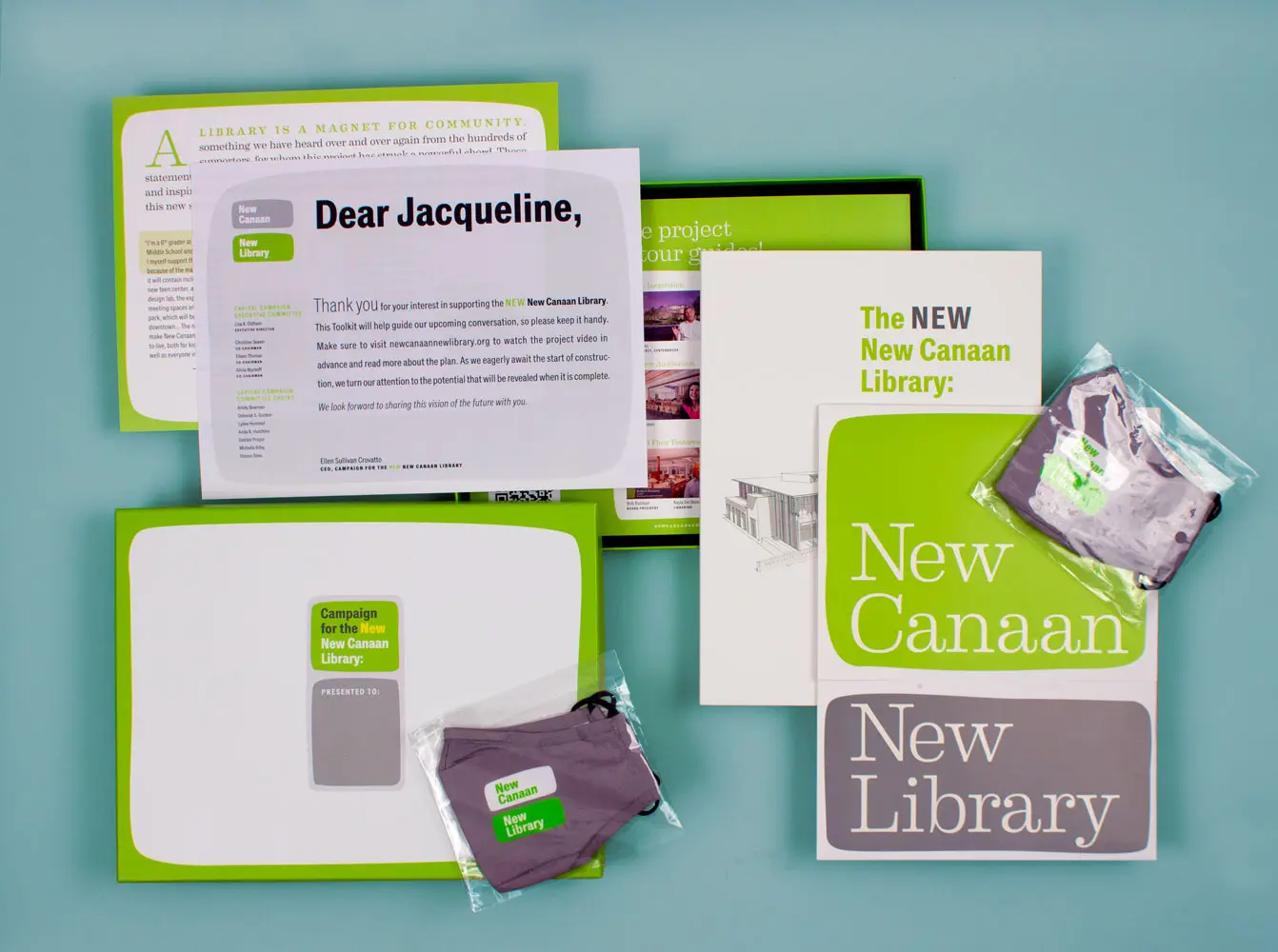
We introduced a die-cut pop-up folio that opened to reveal a three-story axonometric interior of the proposed library. Instead of emphasizing facade, the piece highlighted programming: children’s spaces, flexible gathering rooms, quiet study areas, and community resources.
The folio functioned as a transparency tool—shifting the narrative from architectural spectacle to civic utility. It demonstrated how donor contributions were actively shaping future community experiences.
When considerations arose around evolving blueprints and production investment, I supported the recommendation with donor engagement research and behavioral insight, reinforcing the long-term value of meaningful donor communication.
Following distribution, word-of-mouth feedback indicated a noticeable shift in tone. Donors referenced the folio as the first time they could fully “see” the future library—moving conversations from skepticism toward renewed engagement.

Activating the Community Before Construction
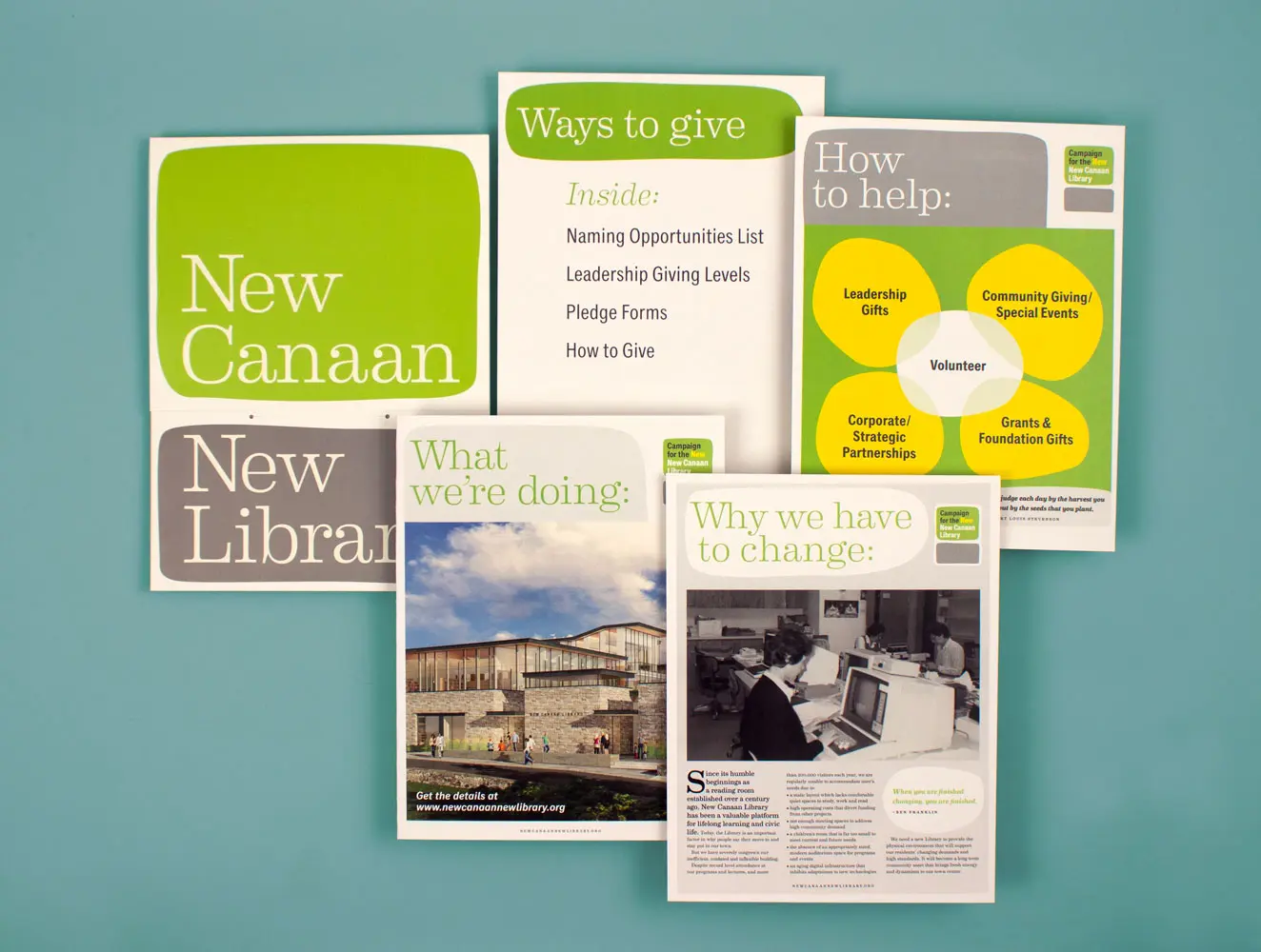
The campaign extended beyond print into environmental storytelling, digital communications, and grassroots activation.
I collaborated with architects to ensure interior representations remained accessible and accurate, and partnered directly with a PR team to develop and present guerrilla strategies and event-based activations. The campaign appeared across storefront windows, bookmarks, and town events, embedding the library into everyday movement through New Canaan.
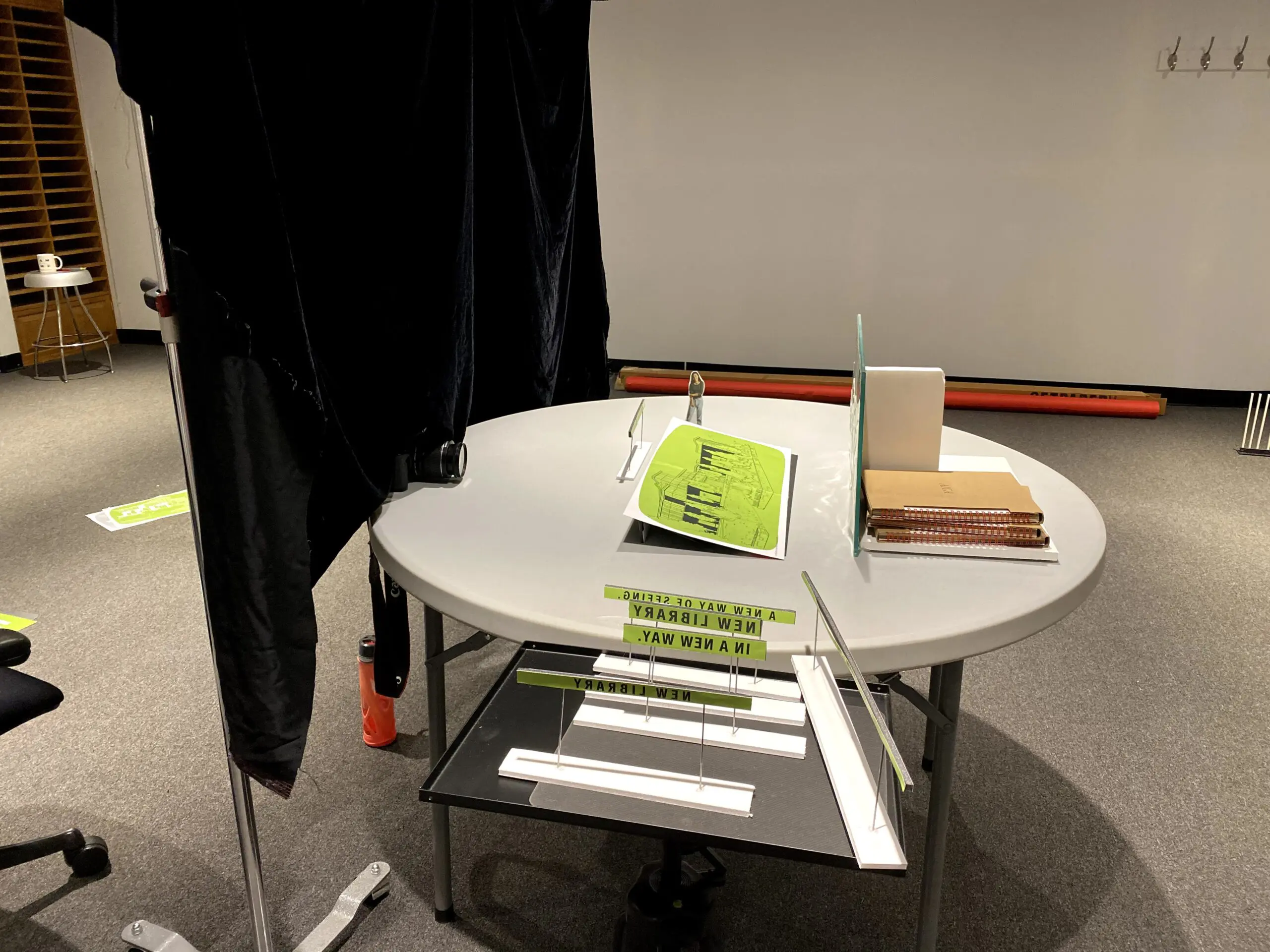
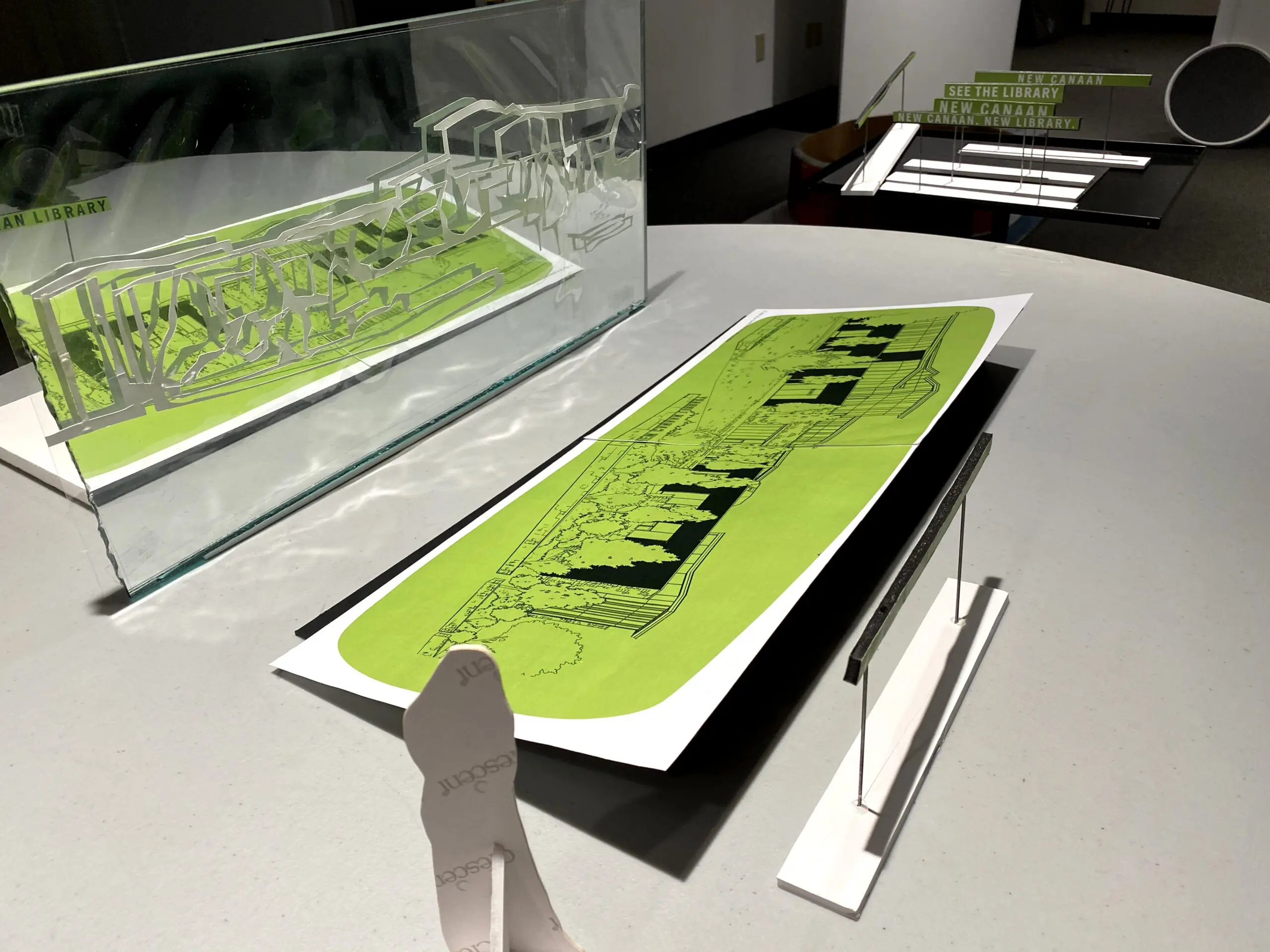
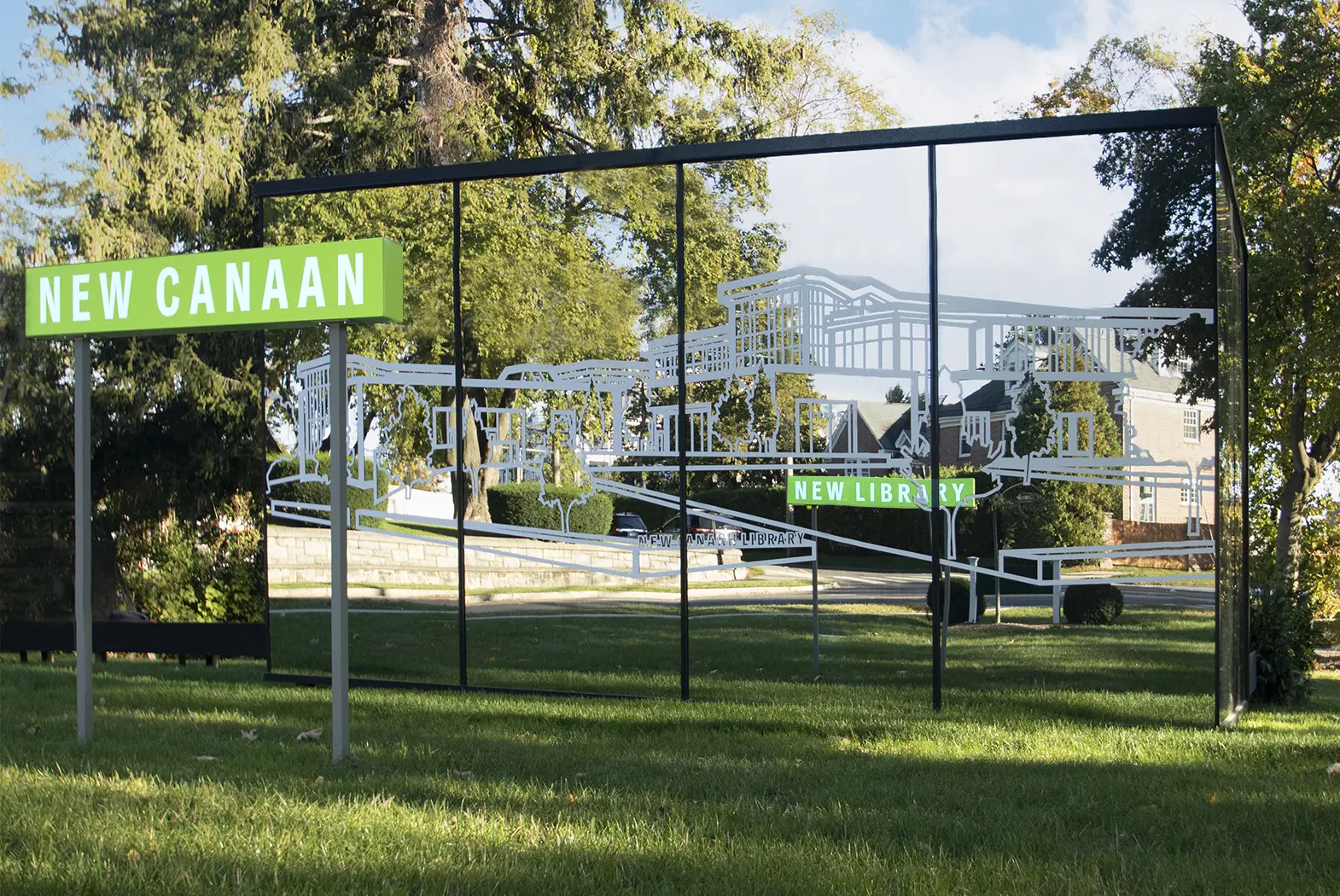
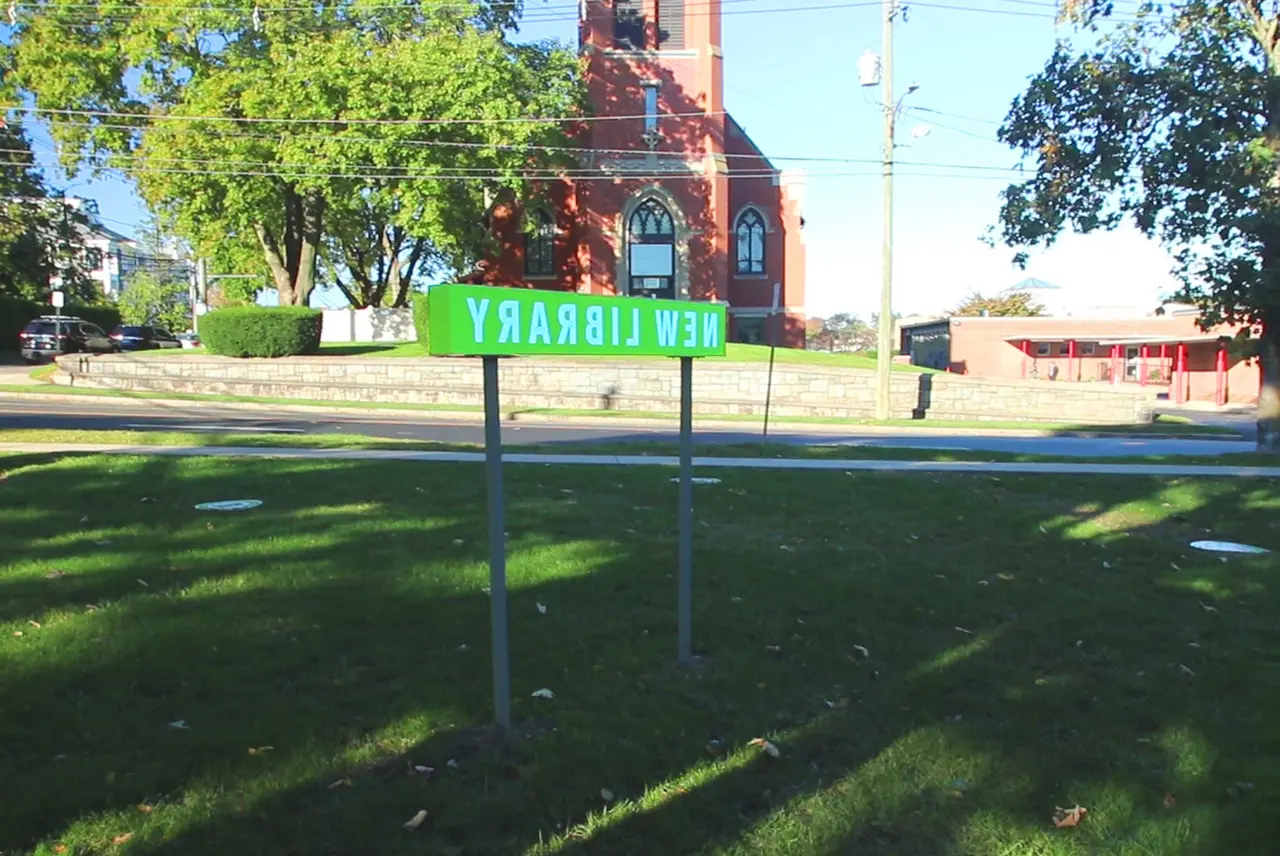
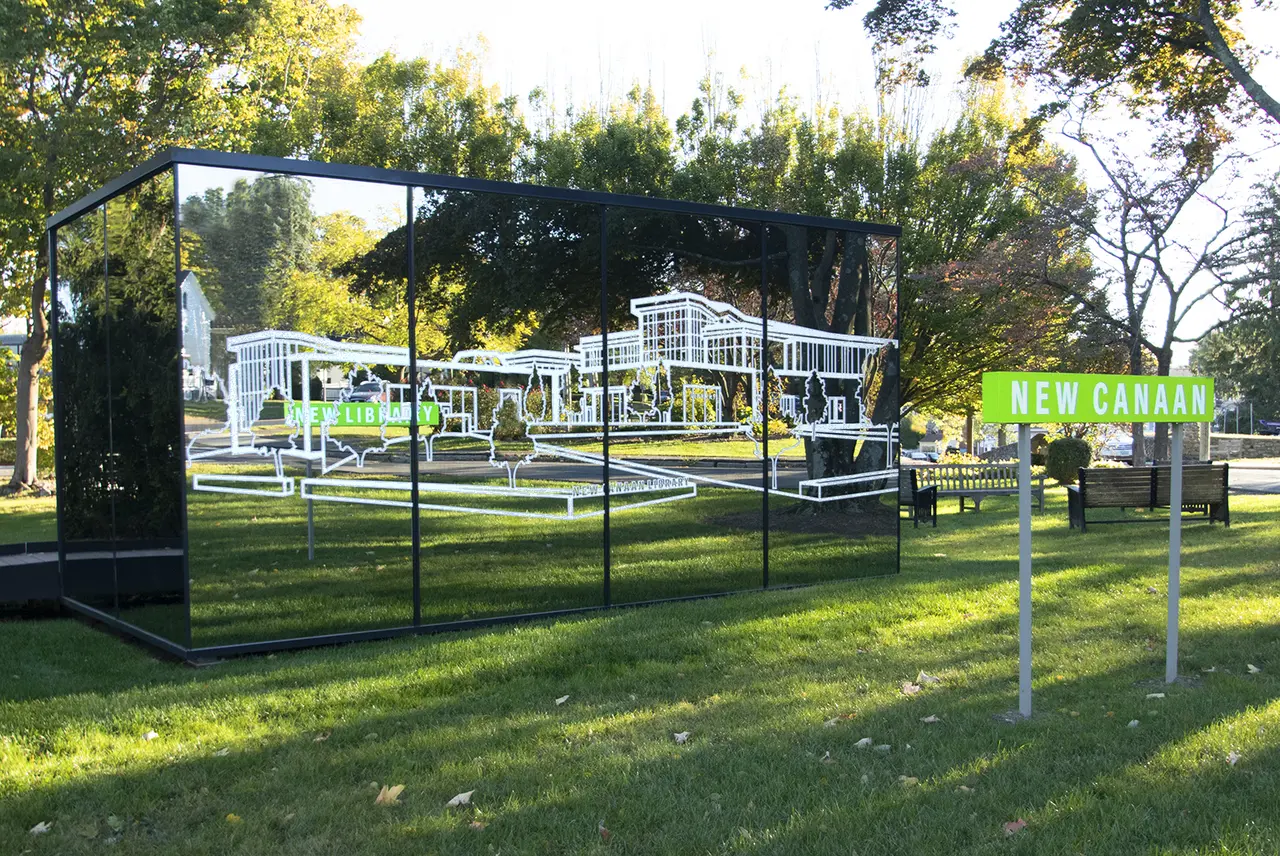
Environmental storytelling—including contributions to the Mirror House installation at the building site—gave families a tactile sense of scale and purpose before construction was complete.
Each touchpoint reinforced the same principle: the new library was not replacing something old—it was expanding the town’s social fabric.

Expanding the Library into Town Life
To extend the campaign beyond traditional donor communications, I helped integrate a town-wide participation initiative that connected local businesses and residents to the library’s future. Participating storefronts displayed branded markers, and community members engaged through a structured “passport” experience designed to encourage exploration and civic involvement.
This activation reframed the library as an active civic partner rather than a future building. By embedding the campaign into everyday movement through town—storefronts, sidewalks, events—the initiative reinforced the idea that the library already belonged to the community it was still building for.


Leadership & Systems Thinking
I led the strategic reframing of the donor experience, shifting the campaign from repeated exterior imagery to visible proof of progress. As the scope expanded across print, environmental, and digital platforms, I maintained narrative cohesion—ensuring each activation reinforced a shared civic principle.
Following the initial campaign phase, the partnering PR firm continued to engage me independently to support ongoing communications—an affirmation of the strategic continuity and clarity established during the project’s foundation.
The result was not simply a capital campaign refresh, but a durable communication ecosystem designed to rebuild belief and sustain community participation.


Enduring Continuity
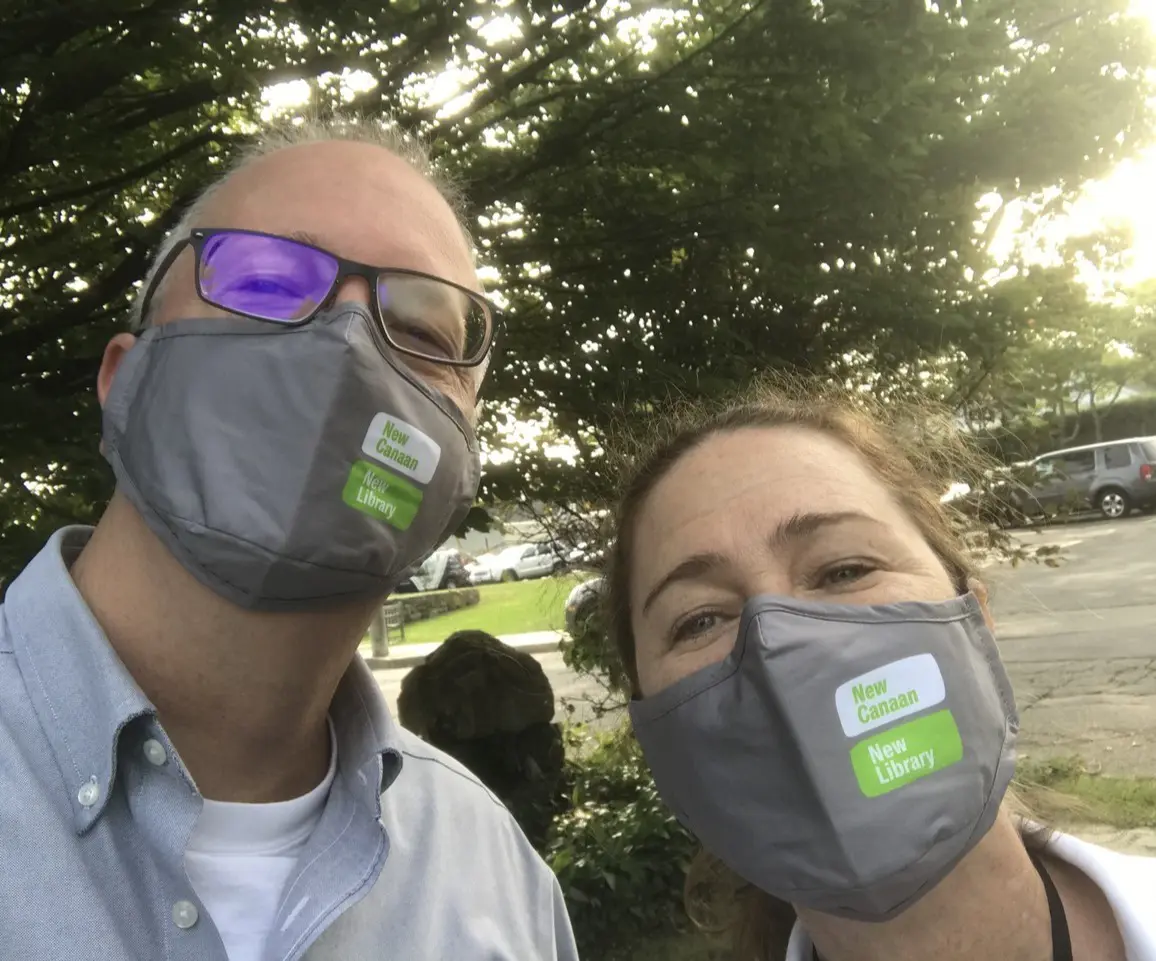
While originally developed for the capital campaign, the visual system proved flexible enough to extend into the library’s everyday communications. Four years later, core elements remain present across social and promotional materials—evidence of the system’s adaptability and institutional adoption.